
Paint correction or repainting: which quote do you need?
Paint correction improves defects in the existing finish through an assessed polishing process. Repainting adds a new paint finish after preparation. They are different scopes: polishing may improve light surface defects, while damage beyond the clear coat may require paint repair. Ask the workshop to assess the finish before choosing either option.
| What you can see | What to ask before approving work |
|---|---|
| Swirl marks or light surface scratches | Can the existing finish be improved safely with paint correction, and what marks may remain? |
| A scratch through the finish or missing paint | Does this area need paint repair, and which panel or blend area is included? |
| A dent, cracked bumper or damaged panel | Is body repair needed before refinishing, and are clips, trim or other parts included? |
Sources: 3M: scratch depth and repair limits
A dented door does not automatically need repainting
Paintless dent repair (PDR) reshapes a dent while preserving the existing paint finish; polishing addresses surface defects in the finish. Ask whether the dent is suitable for PDR before comparing it with a repair-and-repaint quote. The decision depends on the paint condition, damage severity and location, panel material, access and the vehicle maker’s repair requirements. A photo alone cannot settle those points.
Ask the estimate to include any trim removal needed for access and how affected corrosion protection behind the panel will be restored. PDR does not mean that hidden protection or finishing checks can be skipped. If paint repair is required, have the workshop explain why and name the panels and blend areas in the revised scope.
Sources: I-CAR: paintless dent repair and glue-pull methods · I-CAR: repair decisions, materials and access · I-CAR: corrosion protection after PDR
Photograph more than the scratch
Send a close photo and a wider view showing the whole affected panel and adjoining areas. Include your make, model and year, and mention previous repairs or any accident damage. Clear photos help the team prepare questions, but hidden damage and the existing finish still require an in-workshop assessment.
Ask which panels and preparation are included
The estimate should name the panels being repaired or painted, dent or bumper work, preparation, proposed paint scope and any trim or parts removal. Ask whether adjacent-panel blending is proposed and why. Compare the same scope between quotes; a lower total may omit preparation, parts or additional panels.
Agree the finish and approval process
Discuss colour matching, the condition of the existing paint and any limitations before approving the job. Ask how unexpected damage will be documented and whether a revised estimate requires your approval. Keep the accepted quote, the agreed scope and the written warranty terms rather than relying on a verbal promise of a perfect result.
Confirm timing without assuming same-day completion
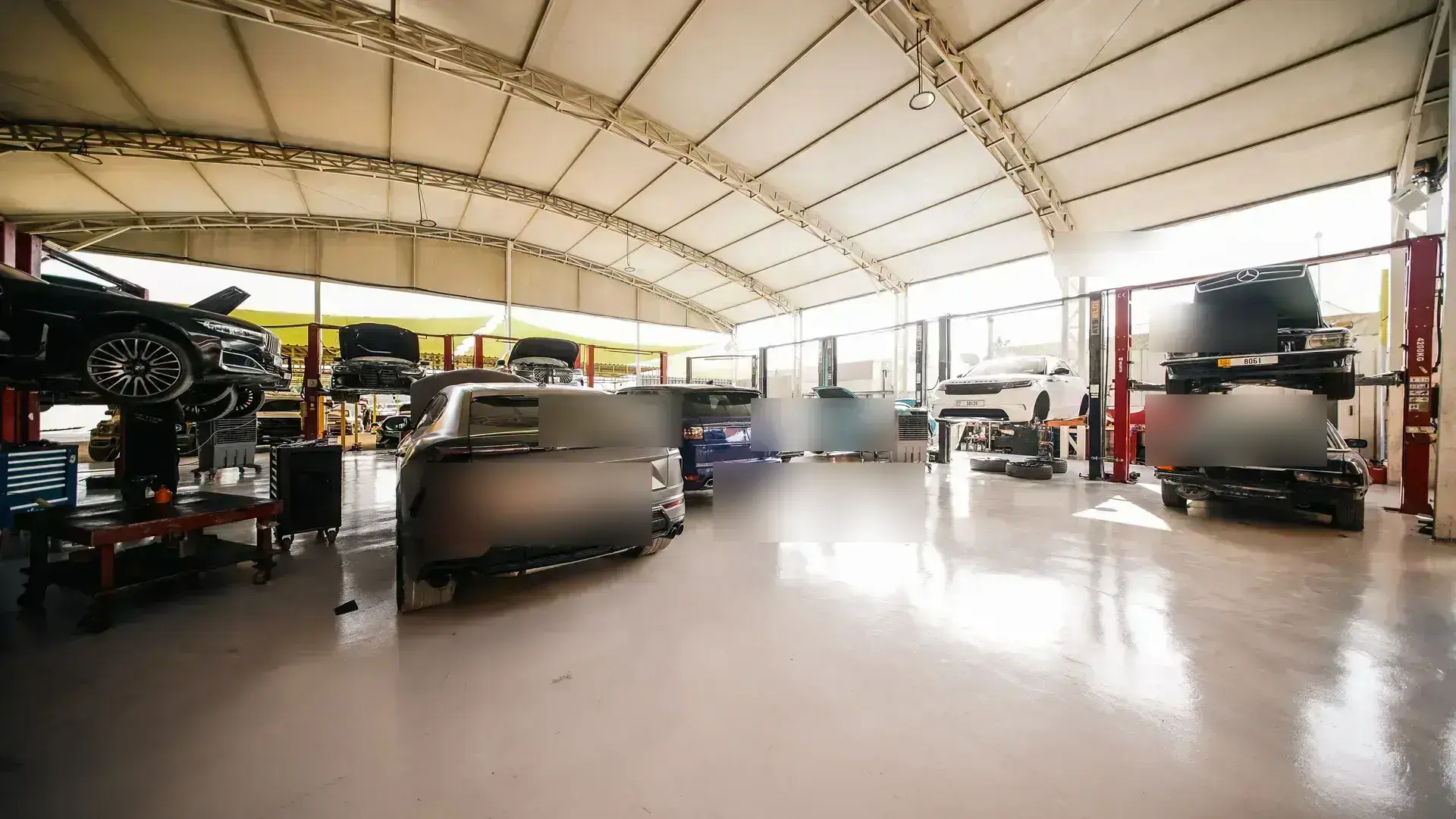
Ask for the next milestone and what could change it: inspection findings, approved parts, preparation or outside work. Confirm how progress and handover will be communicated. If you need vehicle pickup or drop-off, arrange timing and charges separately. All paint and body repair takes place at the Al Quoz workshop.
Still Not Sure? Just Ask.
Send the make, model, year, symptom and any useful photos. The team will explain what needs checking and what to include in a quote for your car.
Frequently asked questions
Is paint correction the same as repainting?
No. Paint correction works on defects in the existing finish; repainting applies a new paint finish after preparation. Have the depth and condition assessed before deciding which quote you need.
Can Active Auto give a paint repair estimate from photos?
Photos help with initial assessment. The written repair quote is confirmed after the workshop inspects the vehicle and the affected panels.
Is there one fixed price per panel?
Active Auto does not publish a universal panel price here. Preparation, damage, materials, paint scope and parts affect the vehicle-specific quote.
Should two paint quotes cover the same work?
Yes. Compare named panels, dent repair, preparation, paint scope, blending if proposed, trim or parts work, exclusions and written warranty terms.
Can the workshop start extra work without another quote?
Agree the approval process before work starts. Ask for new findings and any additional proposed work to be documented for your approval.
Does a dented door always need filler and repainting?
No. Some dents may suit paintless dent repair, which aims to preserve the existing finish. Paint condition, panel material, damage and access must be assessed against the vehicle maker’s requirements. Ask the workshop to explain the method and any required refinishing before approving the quote.